

APPLIED THEORY
Accumulated momentum
PROOF IN PRACTICE
Education-sector turnaround: +38% revenue and +47% EBITDA across 8 countries.
GOVERNANCE · STRATEGY · CAPITAL
OTEJI Capital brings together corporate governance, strategic design and capital investment through Luis Fernando Otero López’s C-level experience in Latin America.
Discover our approachA long-term perspective.
01 / OUR APPROACH
Board decisions, strategic choices and capital allocation depend on one another. At OTEJI, we approach them with the judgment of someone who has executed those decisions and sustained their results.
Boards that shape the future, protect value and guide decisions with accountability.
Explore governanceChoose where to play and how to win. Translate that choice into capabilities and concrete actions.
Explore strategyAllocate resources with discipline, build trust and support business growth.
Explore capital02 / CORPORATE GOVERNANCE
Chairman since 2016 of a financial group with CSC, investment banking and industrial businesses.
A board seat requires more than an opinion. It requires the judgment of someone who has led operations, made decisions under pressure and taken responsibility for the outcome.
Growth, strategy and operating results.
Continuity of family wealth, succession and alignment between family and operations.
SECTORS OF BOARD PARTICIPATION
In microfinance, growth calls for reading portfolio quality alongside the organization’s capacity to sustain expansion. OTEJI’s approach connects board decisions with performance by segment, territory and team, helping frame where value is created and which capabilities need to be built. Strategy, leadership development and capital allocation belong in the same conversation, with explicit priorities for growth and a clear view of the resources each choice requires.
Where can the organization grow while keeping commercial ambition connected to portfolio quality and the talent needed to sustain it?
In payroll lending, growth needs to be understood agreement by agreement, relating portfolio performance to operating costs and funding conditions. OTEJI frames a conversation between the board and management that disaggregates results, identifies concentration and helps choose where to focus commercial efforts. Strategy and capital evaluation bring the capabilities, cash requirements and resources behind each growth alternative into the same decision, with priorities that can be examined and followed through.
Which agreements support profitable growth, and what funding and capabilities would prioritizing them require?
In productive mobility, understanding the business starts with asset use and its contribution to customer productivity. OTEJI focuses on decisions connecting fleet utilization, availability and profitability with the capabilities needed to operate and expand. Governance, commercial strategy and capital allocation provide a shared framework for assessing renewal, capacity and growth priorities, keeping cash requirements and the performance of each asset group visible throughout the decision.
Should the business expand its fleet or make the assets already supporting it more productive?
In food businesses, growth decisions call for a joint view of brands, channels, portfolios and margins. OTEJI supports the discussion of where value is created or lost by separating performance across categories, customers and routes to market. Board priorities, commercial choices, operating capabilities and capital allocation are examined together, so each initiative can be assessed against a clear profitable growth thesis and its cash requirements.
Which combination of brands, channels and portfolio choices deserves capital concentration for profitable growth?
In industrial businesses, growth involves choosing which capabilities to build, which assets to renew and how to sustain efficiency as demand changes. OTEJI connects board oversight with market choices and capital expenditure needs. Each alternative is considered alongside its effects on capacity, productivity, cash and resilience, providing a basis for ordering priorities, assigning responsibility and understanding the execution requirements of the strategy before resources are committed.
Which investment builds a necessary capability, and what demand, cash and execution conditions must support it?
In commercial retail, averages can conceal important differences between stores, categories and channels. OTEJI proposes examining those differences alongside inventory, margins and cash to guide choices about formats, assortment and growth. Business governance, commercial strategy and capital allocation are connected to assess which initiatives to strengthen, which to adjust and what capabilities a more consistent operation requires, with a clear view of priorities and working capital.
Where should inventory and capital be concentrated when store, category and channel performance are viewed separately?
In construction, strategy and capital are committed across stages with different cash needs and execution risks. OTEJI supports the definition of priorities, milestones and decision criteria that give the board and management a shared basis for reviewing progress. The focus is on connecting projects, capabilities and resources, making the conditions for continuing, adjusting or reallocating capital explicit before the next stage requires additional commitments from the organization.
Which milestones and cash conditions must be met before capital is committed to the next stage?
Luis Fernando Otero’s executive experience
Each conceptual framework connects to a real decision. Cases are presented without identifying the companies.
APPLIED THEORY
PROOF IN PRACTICE
Education-sector turnaround: +38% revenue and +47% EBITDA across 8 countries.
APPLIED THEORY
PROOF IN PRACTICE
Divestments and focus on profitable growth initiatives.
APPLIED THEORY
PROOF IN PRACTICE
Reconfiguration of the lending business: disaggregating and analyzing results to identify a profitable business opportunity and a more attractive market.
APPLIED THEORY
PROOF IN PRACTICE
Implementation of IBGC good practices on boards to raise their operating standard.
APPLIED THEORY
PROOF IN PRACTICE
Capital investments and cash flow modeling aimed at improving shareholder returns.
A governance practice that applies the good-practice principles recommended by the IBGC.
03 / STRATEGIC ADVISORY
Strategic advisory helps boards and management move beyond averages and make difficult decisions.
It starts with the company’s identity, what it is at its core and not just what it sells, and breaks down figures by brand, channel, customer or region to see where value is created and destroyed. That diagnosis informs where to compete and how to win, defines the distinctive capabilities to build, identifies the bottleneck holding back execution and shapes the management systems that sustain the choice. Choosing means giving something up, and that is where strategy begins to create value.
In a recovering market, the average is misleading. I visited three cities and broke down prices, distributor concentration, the wholesale channel and shelf execution to see where value was being created and where it was being lost.
At a microfinance institution with annual employee turnover of 35–40% and expansion plans, the strategy was clear, but the organization was not moving at the pace of its ambition. I redesigned talent governance around four permanent areas (leadership, culture, appointments and remuneration) and proposed measuring performance against targets rather than an average that hides the real problem. The fundamental choice was to develop leaders internally as a competitive advantage for growth and attracting talent.
Personal experiences of Luis Fernando Otero López. The companies are not identified; the 35–40% turnover figure describes the initial diagnosis.
04 / INVESTMENT & CAPITAL
Capital doesn’t start at the bank. It starts with the quality of information, the clarity of strategy and the discipline with which an organization governs every resource. Capital investments are evaluated through cash flow modeling with the objective of improving shareholder returns.
The proper use of capital and profitable investment growth, supported by cash flow modeling aimed at improving shareholder returns. Financeability is a capability built over time.
THE PORTFOLIO, BY USE OF CAPITAL
01 / 04
Consolidate the capital position and decision-making capacity in businesses where the thesis is already proven.
02 / 04
Allocate capital to expand installed capacity and improve the value proposition of existing businesses.
03 / 04
Invest in businesses that bring capabilities the portfolio does not yet have, beyond diversifying revenue.
04 / 04
Allocate capital across fixed-income, public equity and private equity instruments, complementing the operating portfolio.

05 / LEADERSHIP
CHAIRMAN, OTEJI CAPITAL
“I don’t come to offer opinions from the outside. I build from within.”
Thirty-four years of executive experience in Latin America, with operations in Colombia, Argentina, Ecuador and Mexico. Today, that track record informs judgment across OTEJI Capital’s three pillars.
“The CEO’s job isn’t to manage today’s company. It’s to shape the organization that doesn’t exist yet.”
Wharton School — Investment Strategies & Corporate Governance
Corporate governance + capital investmentINALDE Business School — Successful Boards Program
Corporate governanceiDirectores — Platinum member
Latin American board directors networkEXECUTIVE & BOARD PROFILE
Board Director & Chairman · LATAM multinational executive
34 years as a multinational executive across consumer goods and B2B industries in Latin America. He brings strategic clarity and the ability to challenge management constructively, building trust with leadership teams without overstepping into management. He applies IBGC good practices and holds Platinum membership in iDirectores, the Latin American board directors network.
Investment Strategies & Corporate Governance
Corporate governance + capital investment
Successful Boards Program
Corporate governance
Platinum member
Latin American board directors network
Chairman
Financial group with CSC, investment banking and industrial businesses
Since 2016
Chairman
Microfinance
Since 2025
Chairman
Fintech
Since 2024
Board Director
Food and confectionery
Since 2022
Board Director
Retail and real estate
Since 2024
LATAM P&L leadership
Leadership of a US$450M LATAM P&L.
Regional responsibility, portfolio reconfiguration and sales performance improvement.
President · 8 countries
Presidency across 8 countries: +38% revenue and +47% EBITDA.
Leadership of a multi-country operation in the education sector.
Business turnaround in Argentina
Turnaround from negative EBITDA to 15% margins.
Operational and financial transformation of the Argentine operation.
Consumer goods · Ecuador and Mexico
Development of growth platforms in B2C businesses.
Consumer goods and healthcare
Brand management, key accounts development and regional expansion.
He has lived and worked in Colombia, Argentina, Ecuador and Mexico, with commercial and operational coverage across other Latin American markets. His experience includes adapting leadership, strategy and governance to each market’s dynamics, as well as leading business turnarounds and growth processes.
Cali, Colombia
PARTNERS
Different specialties connecting governance, strategy and capital decisions.
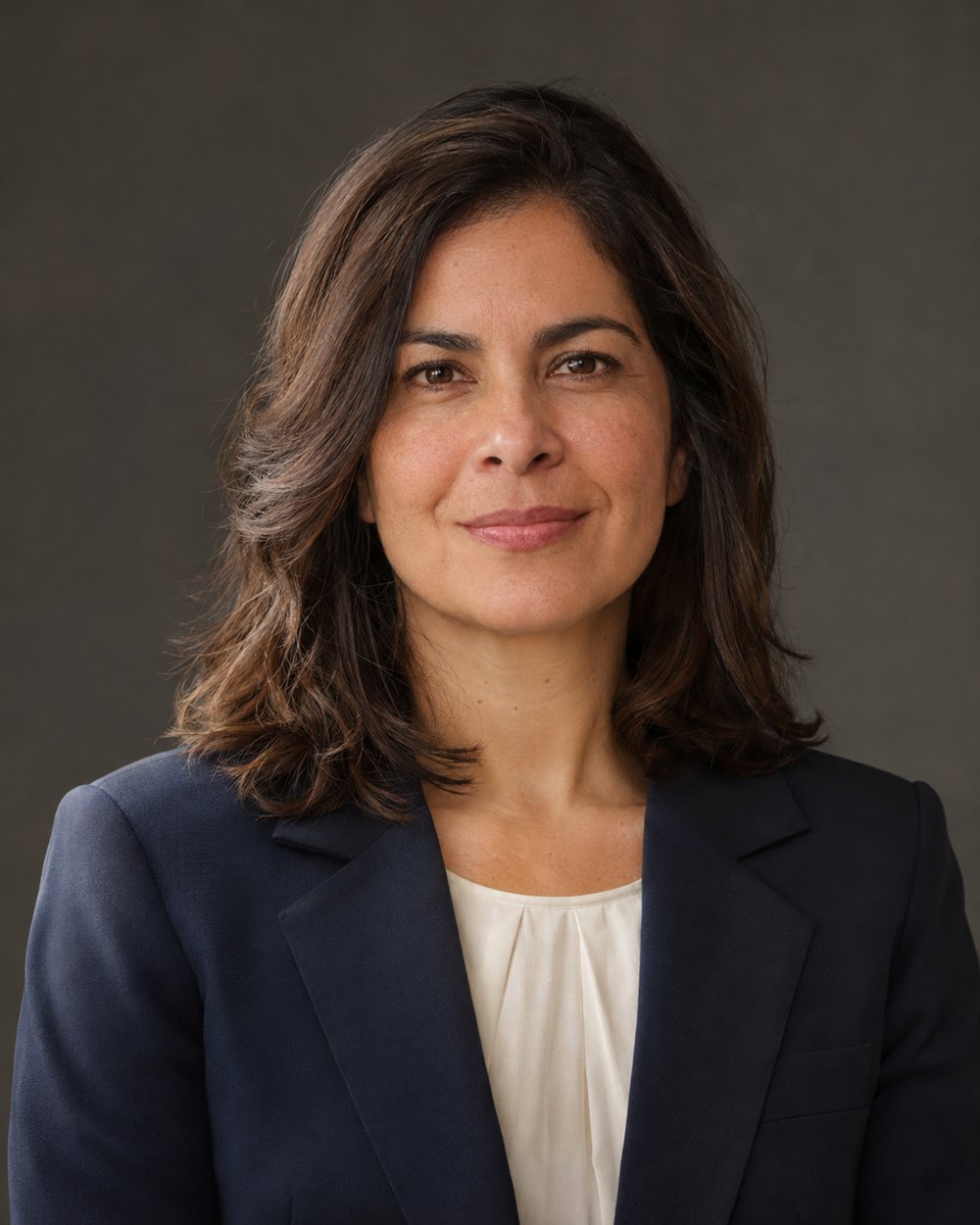
Corporate governance
Boards, succession and continuity for family businesses. Alignment between ownership and management.
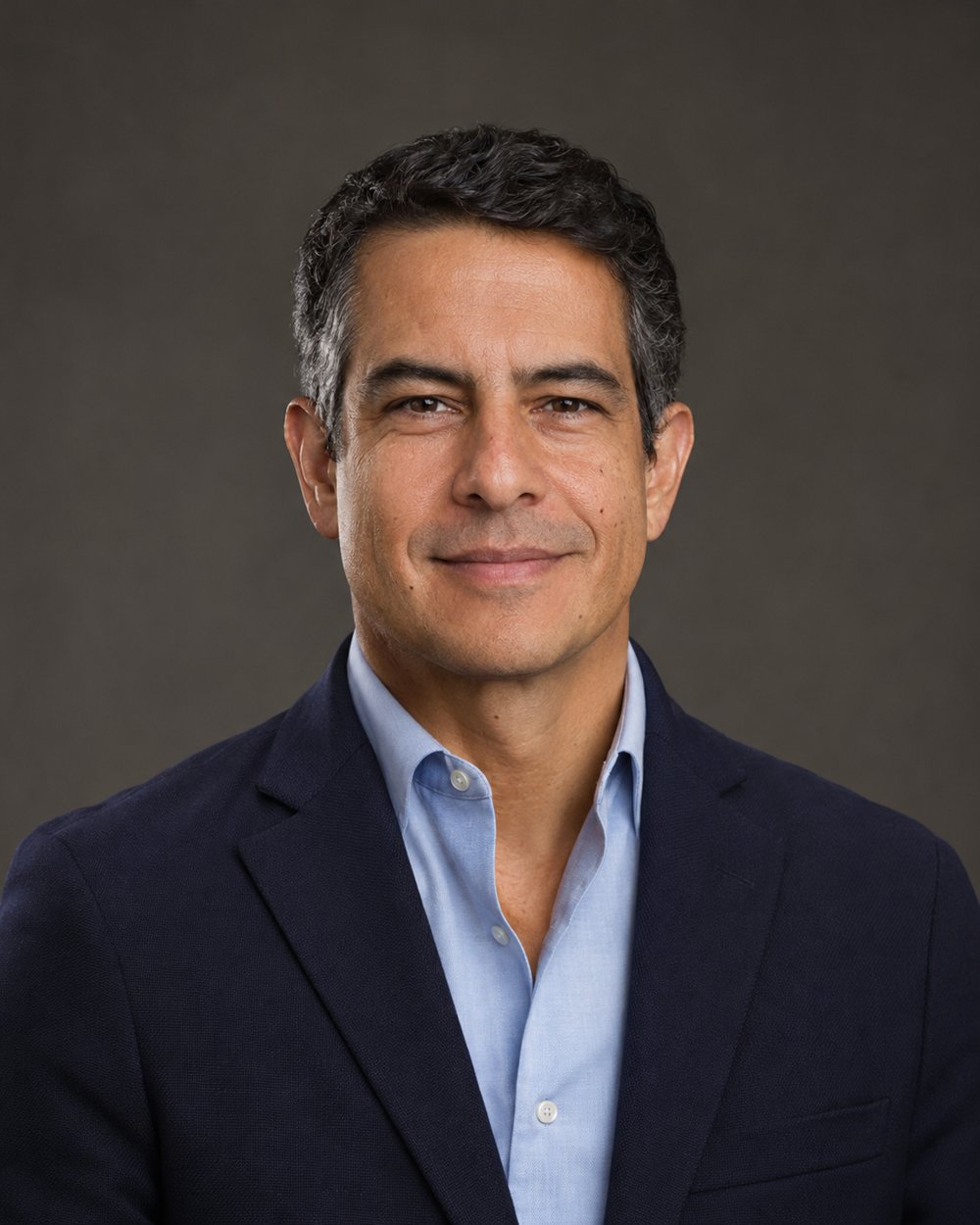
Strategy and transformation
Competitive strategy, profitable growth and capability development to turn decisions into execution.

Finance and investment
Capital allocation, investment assessment and financial structuring with a long-term perspective.
FREQUENTLY ASKED QUESTIONS
Answers about the firm, its three pillars and how to start a conversation with OTEJI Capital.
OTEJI Capital is the brand of OTEJI S.A.S. It brings together corporate governance, strategic advisory and capital investment under the leadership of Luis Fernando Otero López, based in Cali, Colombia, with a Latin American perspective.
Board decisions shape an organization’s future; strategy defines where to compete, how to win and which capabilities to build; capital allocation enables those choices to be executed. OTEJI approaches all three disciplines with the same operating judgment.
A business board focuses on growth, strategy and operating results. A patrimonial or family board addresses the continuity of family wealth, succession and alignment between the owning family and the business operation.
Strategic advisory helps boards and management move beyond averages and make difficult decisions. It starts with the company’s identity, what it is at its core and not just what it sells, and breaks down figures by brand, channel, customer or region to see where value is created and destroyed. That diagnosis informs where to compete and how to win, defines the distinctive capabilities to build, identifies the bottleneck holding back execution and shapes the management systems that sustain the choice. Choosing means giving something up, and that is where strategy begins to create value.
It is the discipline of directing the use of capital and profitable investment growth. The portfolio is organized around deepening equity stakes, growth capex, new capabilities and investment portfolios, with stage-gated approval mechanisms.
Luis Fernando Otero López is Chairman of OTEJI Capital. The executive track record, cases and figures presented on the website refer to his professional experience in Latin America. His profile details the documented roles, results and education.
Select corporate governance, strategic advisory or investment and co-investment in the contact form, email luis.otero@otejicapital.com, or continue on WhatsApp at +57 312 817 7479. Include your company, the context and the decision you would like to address.
06 / CONVERSATIONS THAT BUILD
A governance decision, a strategic challenge or a capital opportunity? Tell us what you have in mind.
luis.otero@otejicapital.com Cali, Colombia · LATAM perspectiveOTEJI Capital
WhatsApp will open so you can continue the conversation.